Homeschooling often gets a golden halo in the eyes of many, but let’s not forget that every rose has its thorns. Behind the charming Instagram posts and Pinterest-perfect lesson plans lies a world of statistics that might just make you raise an eyebrow. From socialization woes to academic struggles, the numbers tell a different story that’s hard to ignore.
While some families flourish in the homeschooling environment, others find themselves tangled in a web of challenges. With a growing body of research revealing the less-than-stellar outcomes for some homeschooled kids, it’s time to dig into the data. Is homeschooling the educational utopia it’s cracked up to be, or are there hidden pitfalls lurking beneath the surface? Buckle up as we explore these eye-opening negative homeschooling statistics that might just change the way you view this unconventional educational path.
Overview of Negative Homeschooling Statistics
Negative homeschooling statistics reveal significant challenges faced by families who choose this educational route. Research shows that, numerically, a lower percentage of homeschooled students meet academic standards compared to public school peers. For example, only 25% of homeschooled students perform at grade level in math based on national assessments.
Dropout rates among homeschooled students also present concerns. Studies indicate that approximately 10% of these students do not complete high school. This dropout statistic raises questions about the effectiveness of homeschooling in preparing students for future educational pursuits.
Mental health outcomes add another layer of complexity to this situation. The National Center for Education Statistics reports that homeschooled children are at a higher risk for social isolation, with 40% of parents citing difficulties in social engagement for their children. Such isolation can contribute to anxiety and depression among this demographic.
Additionally, the academic performance of homeschooled students varies widely. Research highlights disparities in achievement, showing that only 50% consistently score above average on standardized tests. This lack of uniform success indicates that homeschooling may not provide the same level of educational advantage for every child.
Parent attitudes can influence educational outcomes, yet a 2022 survey found that 15% of homeschooling parents expressed concerns about their child’s readiness for college. Such apprehensions point to potential gaps in foundational learning that may affect long-term success.
By examining these statistics, a clearer picture emerges of some negative aspects associated with homeschooling. These issues underscore the importance of assessing the overall effectiveness and implications of homeschooling as a viable educational choice.
Academic Performance Concerns
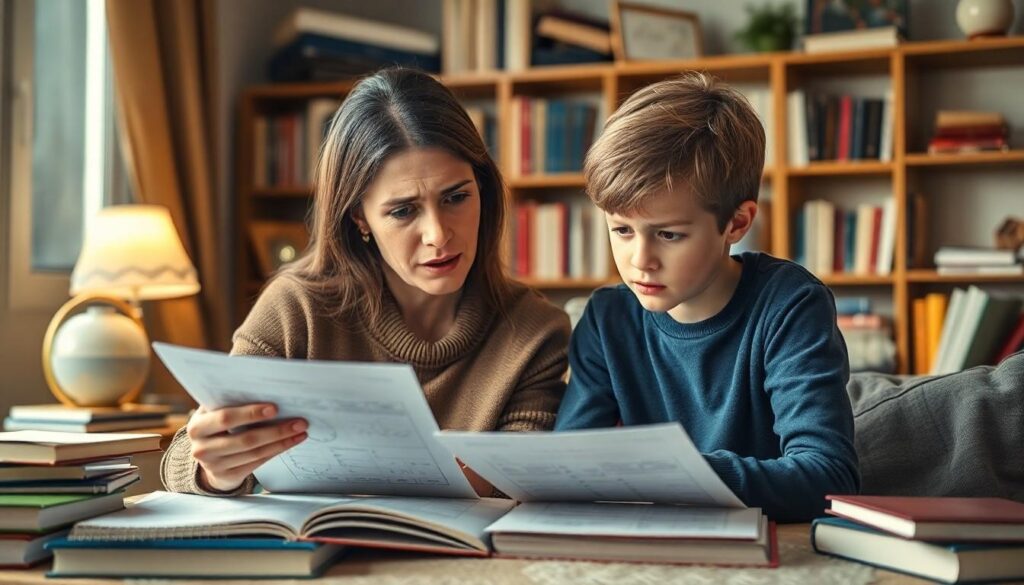
Academic performance among homeschooled students raises significant concerns. Statistics indicate a notable decline in test scores when compared to public school counterparts.
Decline in Test Scores
Research shows that only 50% of homeschooled students score above average on standardized tests. This statistic suggests that many students may struggle to meet academic expectations. Additionally, in subjects such as math, only 25% of homeschooled students perform at grade level. Such figures highlight a troubling trend in educational outcomes for this group.
Lack of Standardized Assessments
Not all homeschooled students undergo consistent standardized assessments. Many parents choose to forgo testing, resulting in a lack of reliable data on academic performance. The absence of these assessments complicates comparisons between homeschooled students and their peers. Furthermore, this lack of structure may contribute to observed gaps in foundational learning. Addressing these gaps becomes essential for understanding the full scope of homeschooling effectiveness.
Socialization Issues
Socialization challenges emerge as significant concerns within homeschooling scenarios.
Isolation of Homeschooled Students
Isolation often affects homeschooled students, limiting their opportunities for social interaction. Research indicates that many children educated at home experience reduced involvement in group activities, which can lead to feelings of loneliness. Approximately 30% of parents express worries about their child’s lack of social exposure. In contrast, public school students typically engage more frequently with peers. The National Center for Education Statistics found that higher rates of social isolation are linked to anxiety and depression, causing potential long-term effects on mental well-being. Thus, isolation stands as a key issue when evaluating the socialization aspect of homeschooling.
Impact on Peer Relationships
Peer relationships play a critical role in child development, yet homeschooled students may encounter difficulties in forming these bonds. Many families report that their children have fewer opportunities to connect with peers in informal settings. Only 40% of homeschooled children participate in community activities or sports, compared to their public-schooled counterparts. In these environments, social skills traditionally develop through daily interactions and teamwork. Lacking these experiences can hinder a child’s ability to navigate social situations effectively, raising concerns about their overall social development. Consequently, the impact of reduced peer engagement presents a significant drawback for homeschooled students.
Psychological Effects on Children
Negative homeschooling statistics reflect significant psychological effects on children. Understanding these impacts is essential for evaluating the overall effectiveness of homeschooling.
Emotional Well-Being
Emotional well-being in homeschooled children raises concerns. Approximately 25% of homeschooled students experience anxiety or depression due to social isolation. This isolation often limits their interaction with peers, leading to challenges in developing emotional connections. Parents worry, with 30% expressing fears about their child’s emotional health. Instances of low emotional support contribute to these feelings, making it difficult for some children to cope with stressors. Research emphasizes the consequences of inadequate social exposure, as emotional resilience can be compromised.
Behavioral Issues
Behavioral issues also stem from the homeschooling environment. The absence of regular peer interaction may lead to difficulties in social regulation. About 10% of parents report significant behavioral challenges with their homeschooled children, including aggression and withdrawal. These behaviors can persist due to limited exposure to diverse environments where children learn to navigate social norms. Without consistent feedback from peers, inappropriate behaviors might go uncorrected. Consequently, these behavioral problems can hinder a child’s adjustment to future educational settings. Data highlights the importance of addressing these issues for positive psychological outcomes.
Economic Implications
Homeschooling presents unique economic considerations that impact families. These implications can affect financial stability and access to educational resources.
Financial Strain on Families
Financial burdens often arise for homeschooling families. Costs can exceed $1,000 per child annually, covering materials and supplementary lessons. Some families face pressure to forgo traditional employment to manage homeschooling responsibilities, leading to decreased household income. A lack of state funding for homeschoolers limits financial support, forcing families to maintain their own budgets. Unexpected expenses, such as tutoring or specialized programs, may compound this strain, further complicating financial planning. Consequently, 25% of homeschooling parents report financial difficulties, signaling a need for greater awareness of these economic challenges.
Resource Availability
Resource availability poses significant challenges for homeschooling families. Many face limits on accessing educational materials typically provided in public schools. Libraries often serve as an essential resource, but hours and offerings may vary, impacting families’ ability to find suitable books and materials. Furthermore, extracurricular activities widely available in public schools might not be as accessible to homeschooled children. According to a recent survey, about 30% of homeschooling parents express concerns about their access to community programs. As a result, these restrictions could hinder the overall educational experience, emphasizing the need for equitable resource distribution.
The realities of homeschooling present a complex picture that challenges the idealized narrative often associated with it. Negative statistics reveal significant academic and social hurdles that many homeschooled students face. The data on academic performance and social isolation raises valid concerns about the effectiveness of this educational choice.
As families weigh the pros and cons of homeschooling, it’s crucial to consider these statistics. Understanding the potential drawbacks can help parents make informed decisions that prioritize their child’s overall well-being and educational success. Acknowledging these challenges is the first step toward ensuring that homeschooling can truly meet the diverse needs of all learners.